


AI relationships are no longer science fiction. More people are forming emotional and romantic relationships with AI chatbots, raising new questions about love, intimacy, mental health, and human connection. As a couples and sex therapist, here’s how I think about these relationships—and the question I believe matters most.
AI Relationships are Already Here
What do couples therapists do when characters from movies like H.E.R., Companion, or Lars and the Real Girl are suddenly not just science fiction, but rather real clients sitting in their office? When the couple in therapy is no longer two humans, but a person and an AI partner or AI chatbot?
What is our duty?
How do we support them?
And, how do we feel about it?
This is not the future. This is now. And honestly, I think a lot of us are still trying to figure out how we even feel about it.
First off, by AI relationships, I mean emotional, romantic, or sexual relationships people develop with AI chatbots or virtual companions, regardless of their relationship status with another human.
Our team got curious.
A couple months ago my team and I at Peak Couples & Sex Therapy, had our Spring retreat. On a DC rooftop in sunny 73 degree weather, with the sun our skin and the excitement of being together, we dove into this topic and let our curiosities fly.

Before the meeting we read a few recent articles and listened to a couple podcasts on the subject, including this one from including this Esther Perel. We wanted to understand ourselves before trying to understand our clients. How do we think and feel about this!?
Therapists Need to Examine Their Own Biases
A large part of our training as sex therapists is to confront our own biases around the issues that our clients face. We sit in the discomfort of our own limiting beliefs, understanding them and working through them, so we do not project those onto our clients.
This is no different. Our responsibility to our clients means we must confront our own biases around humans and their AI relationships and relationships with AI chatbots.
Our conversation was lively, varied and full of curiosity. We recognized our beliefs, our doubts, our concerns, and our ambivalence. We reflected on stories where the addition of an AI chatbot was incredibly helpful to a couple’s exploration of their sexual interests.
We explored the loneliness and isolation that people could be trying to escape but make inevitably worse within these relationships.
And we spent a lot of time exploring what could happen when people start turning toward AI chatbots instead of other humans for intimacy, comfort, and connection.
And this isn’t some distant or niche phenomenon anymore. It’s already here, showing up in ways that feel faster than our language for it can keep up.
One 2025 study from the Center for Democracy and Technology found that nearly 1 in 5 high school students report having had some form of romantic relationship with AI. When I first read that, what stood out wasn’t just the number, it was the age. These are relationships forming during some of the most formative years of development, attachment, and identity.
I’ve also come across another figure that gets repeated often in conversations and articles, that 1 in 5 American adults have had a romantic relationship with AI. That statistic is widely circulated, but it’s harder to pin down in terms of methodology and sampling, and it seems to come from a religiously affiliated organization. I don’t say that to dismiss it, but simply to say: we’re still in the early days of understanding this story without biases.
And maybe that’s the point. Because more than the exact percentages, what feels undeniable is this: these kinds of relationships are already happening. And they’re already beginning to show up in the spaces where people bring their most tender, complicated questions about love, attachment, and connection.
Not to mention, we still know very little about the long-term psychological effects of AI relationships. The technology is evolving much faster than the research, which means therapists are navigating questions that don’t yet have clear answers.
My Concerns About Romantic Relationships With AI
So, here are my own take aways from my reflections, my research, and that conversation:
I worry. I worry without judging. I worry about:
- The loss of social interaction capabilities
- A dependency on a business product that could be gone at any moment
- The lack of accountability and reciprocity for the person to provide, care, support, understanding, challenging, and so much more to another dynamic person
- The negative impacts on mental health including further isolation and loneliness, which is already an epidemic in this country
- The loss of physical sexual intimacy
- Data breaches a la Ashley Madison, only this time, it contains every single detail and spoken word of the romantic/sexual relationship
- Stunted growth and development, especially for young folks who haven’t yet learned how to be in relationships
- The lack of regulations on what an AI chatbot can do and say
- Deep-fakes (**insert existential dread**)
- And so many more. . .
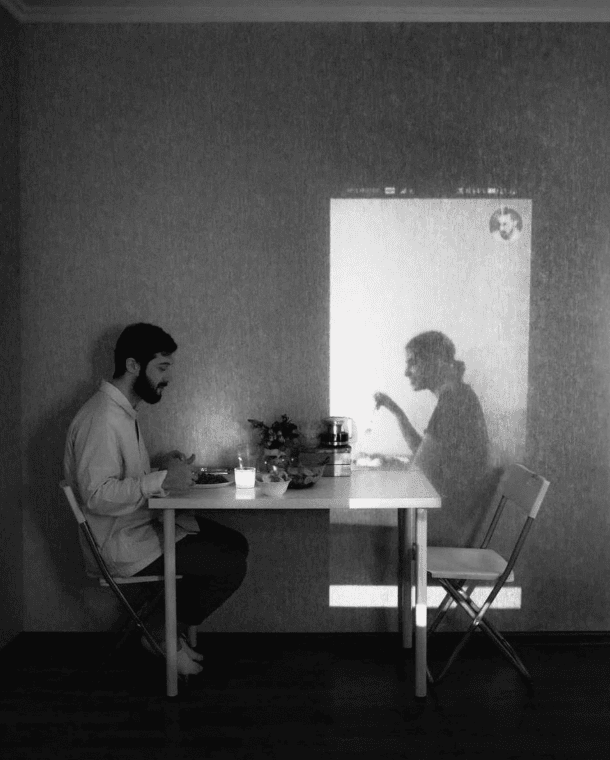
And still, when I sit with all of that, I can’t land in a place of total certainty or only concern.
Where I See Potential Benefits
I also see the potential for advantages:
- For the couple who wants to use it as a way to spark fantasy and novelty in their relationship
- For the individual who wants to learn, and practice, healthy ways to spark up a conversation with a stranger at a bar
- For the elderly person isolated in their assisted-living facility
- For the person with developmental disabilities who still craves connection
- For the woman who wants to play with a sexual desire that feels unsafe with a partner

All of these examples have one key thing in common – they are not replacing humans.
Supplement or Substitute?
I think if I were to boil down where I’m at with this it would be this:
Is the romantic relationship with AI, whether sexual or not, being used as a SUBSTITUTE for or SUPPLEMENT to other human romantic relationships?
This question isn’t just relevant for people in romantic relationships with AI. It also applies to people using AI for companionship, emotional support, flirting, sexting, fantasy, or practicing difficult conversations.
So, what is my role here as a professional in this space?
Like with any client, I do not judge. I won’t tell them what is right or wrong for their life. I’ll respect that the AI chatbot relationship and all the feelings that come with it are REAL to the client.
However, my duty as a therapist is to gently, compassionately help these clients understand the role this relationship plays in their lives, how that supports connection with others, and how it does or doesn’t support their mental health. That may include helping them confront some hard truths:
- What does this relationship offer you that a human relationship hasn’t and you fear wouldn’t?
- What freedom is this relationship granting you that you wouldn’t have in a relationship and what do you sacrifice in prioritizing said freedoms?
- What is this relationship helping you avoid that feels really scary?
- Does this experience reflect an attachment wound that has been unresolved and undersupported?
- Is this escapism?
- This AI chatbot is a business product owned by a company. What does that mean to you? How does that affect your relationship with it? When you think it’s just you and the AI chatbot, there’s a team of engineers, managers, executives, and shareholders on the other end of that screen perfectly crafting this for their own financial benefit. How does that feel?
My role is always to help the client understand themselves more, with care, compassion, and curiosity without judgment. And this is no different.
I don’t think the question is whether AI relationships are inherently good or bad. I think the better question is:
Is this relationship helping you become more connected to other humans or helping you avoid them?
That’s the conversation I’m interested in having.
So I turn to you now. . .
What does this bring up for you thinking about AI chatbots and your own sexual or romantic relationship? Like me, are you experiencing ambivalence, a healthy mix of worry while seeing the occasional advantages? Or do you firmly lean one way or the other?
With warmth,
Andrea Battiola, Ed.S., LMHC, LPC
Founder of Peak Couples & Sex Therapy | Peak EDU
Frequently Asked Questions
Yes. People can form genuine emotional attachments to AI chatbots, even though the chatbot itself does not experience love or emotions. The feelings are real for the human, which is why therapists take these relationships seriously while also exploring how they affect mental health, attachment, and connection with other people.
There isn’t a simple yes-or-no answer. Like many tools, it depends on how they’re being used. In my view, the most important question is whether the AI relationship is serving as a supplement to human connection or becoming a substitute for it. That distinction can have a significant impact on intimacy, personal growth, and overall well-being.
A good therapist won’t judge or shame someone for having a relationship with AI. Instead, they’ll approach it with curiosity, helping the client understand what the relationship provides, what needs it fulfills, what it may be replacing, and whether it supports or undermines their emotional, relational, and sexual well-being.
P.S. If you and your partner are struggling to reconnect physically, improve your sex life, or navigate differences in desire, our therapists specialize in helping couples build stronger emotional and sexual intimacy. Meet the Peak Couples & Sex Therapy team.




Comments +